Cross Pacific Dining

Partnership Opportunity

The Chipotle of karaage.
The CAVA of tonkatsu.
It doesn't exist yet.

Japan has the food. America has the appetite. We have the network, the knowledge, and the operator relationships to make it happen — with the right investor at the table.

Japanese food photo
The Model
🍱Japanese Brand
🔬U.S. Translation
📍CA / TX Territory
📈Multi-Unit Scale
🌎Next American Chain

The Concept

Limited menu.
Maximum flavor.
Instagrammable by design.

Chipotle proved that a single protein, done perfectly, can become a billion-dollar brand. CAVA proved that "unfamiliar" food can become everyday American habit. The formula works. The category is wide open. The food is ready.

We're building the Japanese version — a fast-casual karaage or tonkatsu concept with 4–6 items on the menu, crispy and craveable, built for throughput, designed to go viral. Authentic at the core. American at the entry point.

🎯
Limited SKU
4–6 items. Deep flavor. Zero confusion at the counter.
⚙️
Simple Operations
Standardized fryer tech. No skilled chef required. Scalable from day one.
📱
Instagram-First Design
Visual identity built to spread. "Take me to [Brand]" is the target.
🏯
Authentic Japanese Core
Real provenance. Not fusion. Not imitation. The real thing, translated.
Japanese fried chicken crispy
The category that doesn't have its Chipotle yet

Where the whitespace is

Ranked by franchise competition density, menu growth data, and fast-casual scalability — these are the Japanese categories with no scaled U.S. specialist yet.

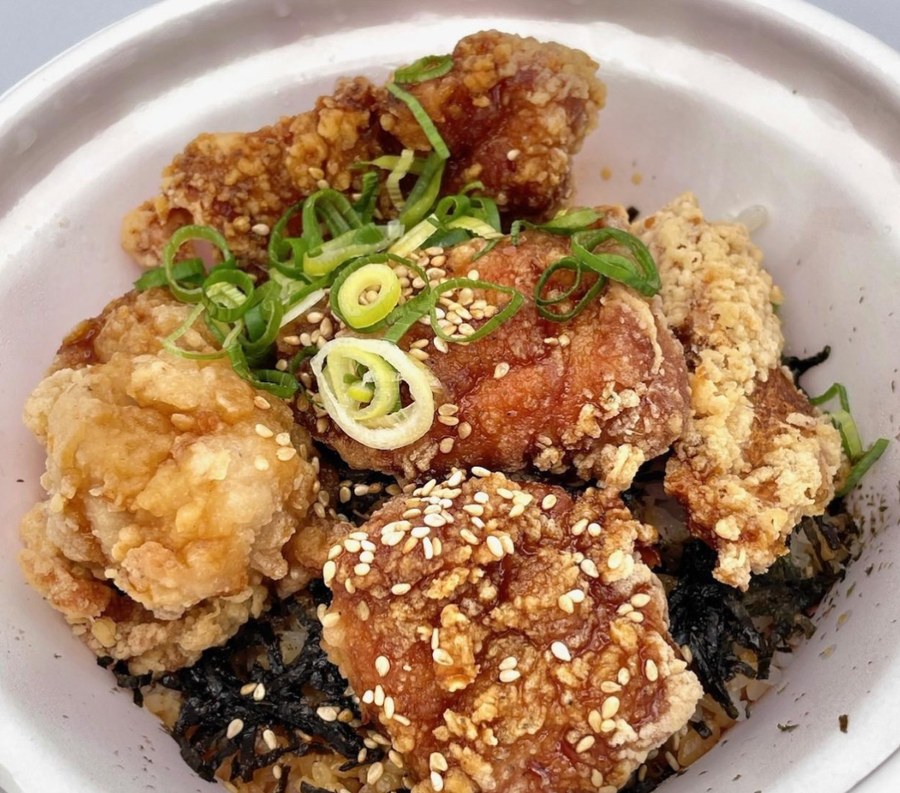
Karaage
#1
Karaage 唐揚げ
Under 1% menu penetration · Rides the chicken macro
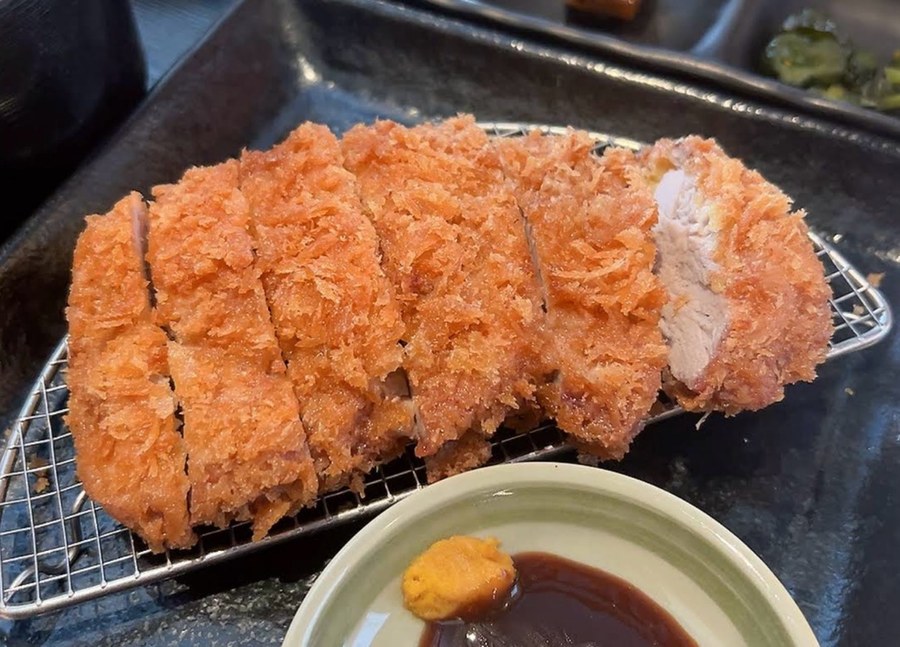
Tonkatsu
#2
Tonkatsu とんかつ
Familiar format · No scaled fast-casual specialist
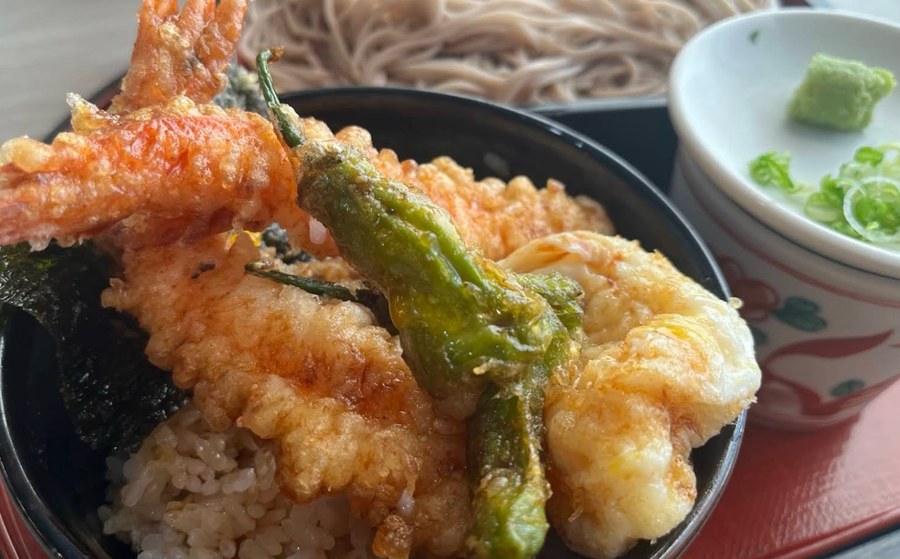
Tempura
#3
Tempura / Tendon 天ぷら
Lowest direct competition · Auto-fryer standardizable
$52B
Projected U.S. Asian food market by 2032 (third-party research, reference only)
11.8%
Projected CAGR for Asian QSR — fastest-growing food segment (third-party estimates)
<1%
Current U.S. menu penetration for karaage — no scaled specialist exists yet
Rin Aoki
Rin Aoki
蒼木 凛 · Founder
10+
Years in U.S. F&B
100+
Locations scaled
NY·LA
Both coasts
JP·US
Bilingual

Grew up in Japan.
Built chains in America.

"I grew up in Japan. I built my career inside large U.S. restaurant chains — both franchise and company-owned — from early growth to 100+ locations. I've been in the room for the decisions most consultants only read about."

Rin Aoki spent 10+ years embedded in U.S. restaurant chain development across New York and Los Angeles — working directly within both franchise systems and corporate-owned operations through every stage of growth: site selection, lease negotiation, pre-opening, operations, cost structure, and multi-unit scale.

Born and raised in Japan, Rin bridges both sides: understanding what makes a Japanese brand authentic, and knowing exactly what American operators and consumers need to say yes.

  • 10+ years inside U.S. restaurant chain development — franchise & corporate-owned (NY & LA)
  • Witnessed a brand scale from 20 to 100+ U.S. locations from the inside
  • Worked across pre-opening, operations, cost structure, and multi-unit expansion
  • Bilingual — navigates Japan business culture and U.S. operator reality equally
  • Author: Before You Open a Restaurant in America (Kindle, 2026)
  • Core & Shell theory: preserving culinary authenticity while redesigning for American markets

Japanese brands are already winning in the U.S.

The deals being done now show one clear pattern: multi-unit territory control with experienced operators. The examples below are publicly reported industry cases cited for market context — not affiliated with Cross Pacific Dining.

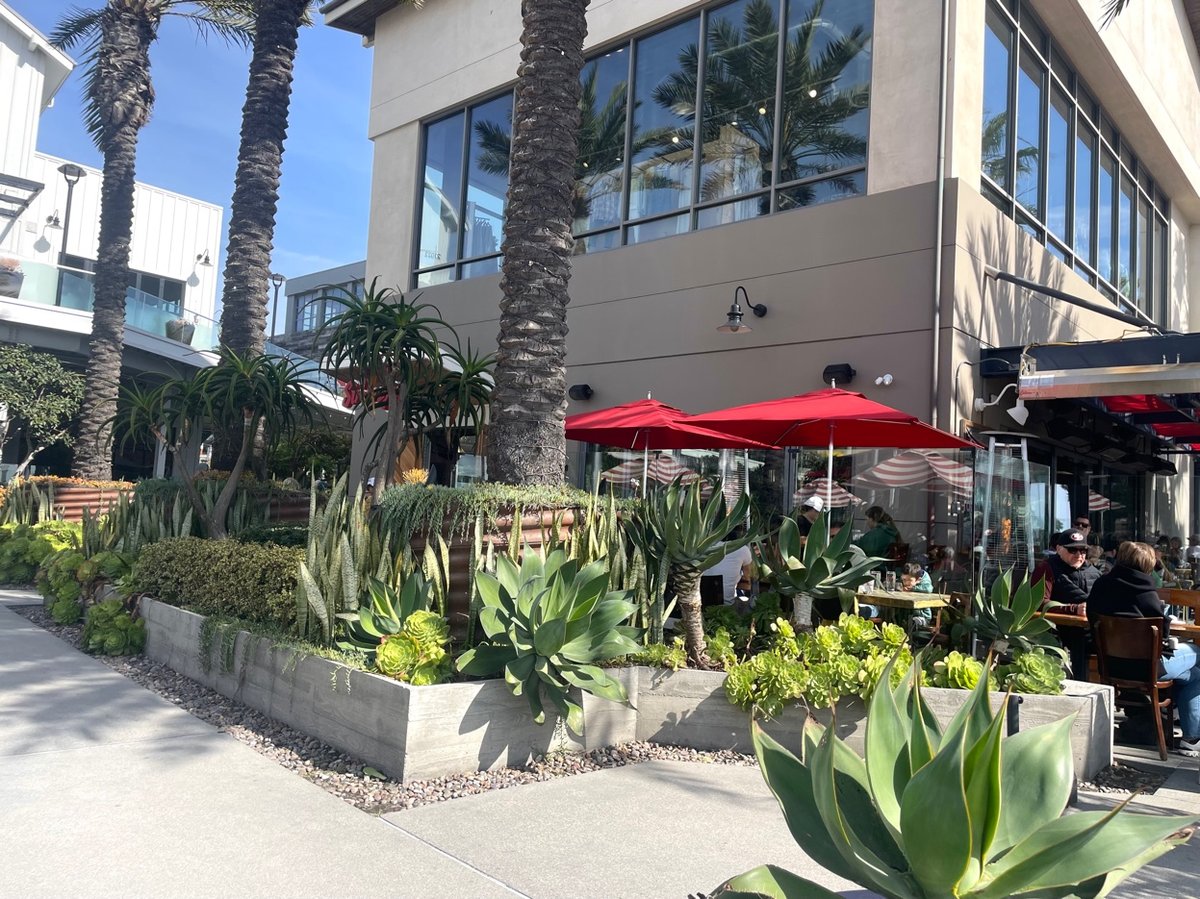
Japanese restaurant thriving in America
Area Development
Pepper Lunch
20-unit deal with the Carl Karcher group (SoCal + Las Vegas). Separate 20-unit Texas push over 5 years targeting Austin, Houston, and San Antonio — backed by an investment platform.
~$50K franchise fee · ~5% royalty · ~$1.6M reported AUV*
Master Franchise
Uncle Tetsu
The founders of Panda Restaurant Group brought Uncle Tetsu to the U.S. as master franchisees — a clean example of "experienced domestic operator + Japanese brand + rights-based entry."
Panda founders as master franchisees · Rights-based entry
Franchise Rollout
Beard Papa's
550+ stores globally. Marketed for operational simplicity — no professional pastry chef required. Shows how a Japanese dessert brand can franchise at scale across the U.S.
~5% royalty · 550+ global units · Simple operations

The Model

How we build this together

01
Brand Sourcing
We identify Japanese brands with the right concept for fast-casual translation — before they're on anyone else's radar.
02
Rights Negotiation
We manage the Japan-side relationship — language, culture, business norms, and U.S. FDD compliance. You don't need to know Japan.
03
U.S. Launch Design
Limited menu. Clean ops. Instagram-first identity. Territory strategy and unit economics anchored to U.S. benchmarks.
04
Execute Together
You bring capital and operational expertise. We bring the brand, the design, and the knowledge. Multi-unit from day one.

The questions serious investors always ask

Objection 01
"Why not contact the brand directly?"
Japanese brands respond differently to a trusted intermediary than to cold U.S. outreach. We focus on brands with genuine U.S. interest — and we know how to structure the conversation in Japan's business culture.
Objection 02
"What about U.S. franchise compliance?"
Japanese brands arrive with "multi-fee DNA" that doesn't map to U.S. FDD standards. We structure deals anticipating FTC requirements and state registration expectations from day one — not as an afterthought.
Objection 03
"What if Japan HQ support fades after signing?"
The most common post-signing failure mode. We build accountability into the deal structure: named support roles, English-language field support, and clear escalation paths. We stay in after signing.
Objection 04
"Will Japanese unit economics transfer to the U.S.?"
Not automatically. We build U.S.-specific unit economic models before deals are signed — anchored to real benchmarks. If the numbers don't work, we say so before you commit.
Objection 05
"What about supply chain risk from Japan?"
Supply risk is part of our brand evaluation. We flag material concerns before deals progress and build contract architecture with sourcing alternatives where volatility is material.
Objection 06
"Can we exit if we build to 20–50 units?"
Yes — we plan for this from the start. Territory rights structure, development schedule remedies, and governance provisions are negotiated into the deal. We design for a sellable asset from day one.

Who This Is For

The right partner already knows this market.

We're not looking for first-timers. We're looking for operators who understand multi-unit franchising — and want the next Japanese category before it's crowded.

Ideal Profile A
Portfolio Franchise Operator
You already operate multiple franchise brands with HR, training, real estate, and construction in place. Adding a high-potential Japanese concept is a portfolio play — not a first bet.
Ideal Profile B
Institutional-Backed Operator
You have capital behind you and a professional operating team. Looking for asset-light growth with territorial exclusivity. The Pepper Lunch Texas model is your frame of reference.
Ideal Profile C
Experienced Multi-Unit Developer
You've operated Japanese or Asian F&B concepts (e.g. brands like JINYA, Kura Sushi, or similar — illustrative purposes only). You know the operational realities. You want the next territory before it's taken.
Not a Fit
First-Time Restaurant Owners
This model requires operational experience. Multi-unit development is not a first restaurant. If you're new to the industry, start with our consultation services first.

Before you reach out

What's the minimum investment level?
It depends on the brand, territory, and deal structure. Comparable Japanese fast-casual deals involve initial investment in the high six figures to low seven figures per unit. We'll discuss specifics once we understand your position.
Which markets are you focused on?
California and Texas are our primary focus — both have active deal flow for Japanese F&B. We're open to discussing other markets for the right operator and concept.
Can we get exclusive territorial rights?
Territorial exclusivity is typically a key part of multi-unit discussions. The exact scope depends on the brand and deal structure, and is subject to negotiation with the Japanese brand.
How long does it take to close a deal?
Japan-side negotiation typically takes 6 months to 1 year. Japanese brands move deliberately — we manage the process so you're not waiting on silence.
What does the royalty structure look like?
U.S. Japanese fast-casual benchmarks run around 5% royalty + 2% brand fund. We anchor negotiations to U.S.-legible benchmarks. Master franchise structures involve a split between the master and Japanese brand.
What happens after I reach out?
We'll set up a 30-minute call — no pitch deck, no formality. We'll tell you directly whether we see a fit and what the realistic next steps look like.

The category is open.
The timing is now.

A 30-minute conversation to see if there's a genuine fit. No pitch deck. No obligation.

Start the Conversation
30-minute call · No pitch deck · Direct conversation

*Financial figures (AUV, royalty rates, franchise fees) are sourced from publicly available third-party FDD summaries and industry reports. Provided for market context only. Past performance of comparable brands does not indicate future results. Market statistics from third-party research firms. Cross Pacific Dining does not provide legal, financial, or franchise compliance advice. Consult qualified professionals before entering any franchise or licensing agreement.